Affiliate disclosure: Quiet Abodes may earn a commission from qualifying purchases made through affiliate links, at no extra cost to you.
Introduction
Modular shelving is useful because it can evolve rather than forcing you into one fixed layout. Individual cubes, shelves and inserts can be
rearranged as storage needs change over time.
Mix Open and Closed Cubes
Use open cubes for attractive items and closed inserts for anything visually messy. This creates balance without losing accessibility.
- Cube shelving unit: https://link.amazon/B0eUsfk2u
- Fabric cube inserts: https://link.amazon/A056aX20D
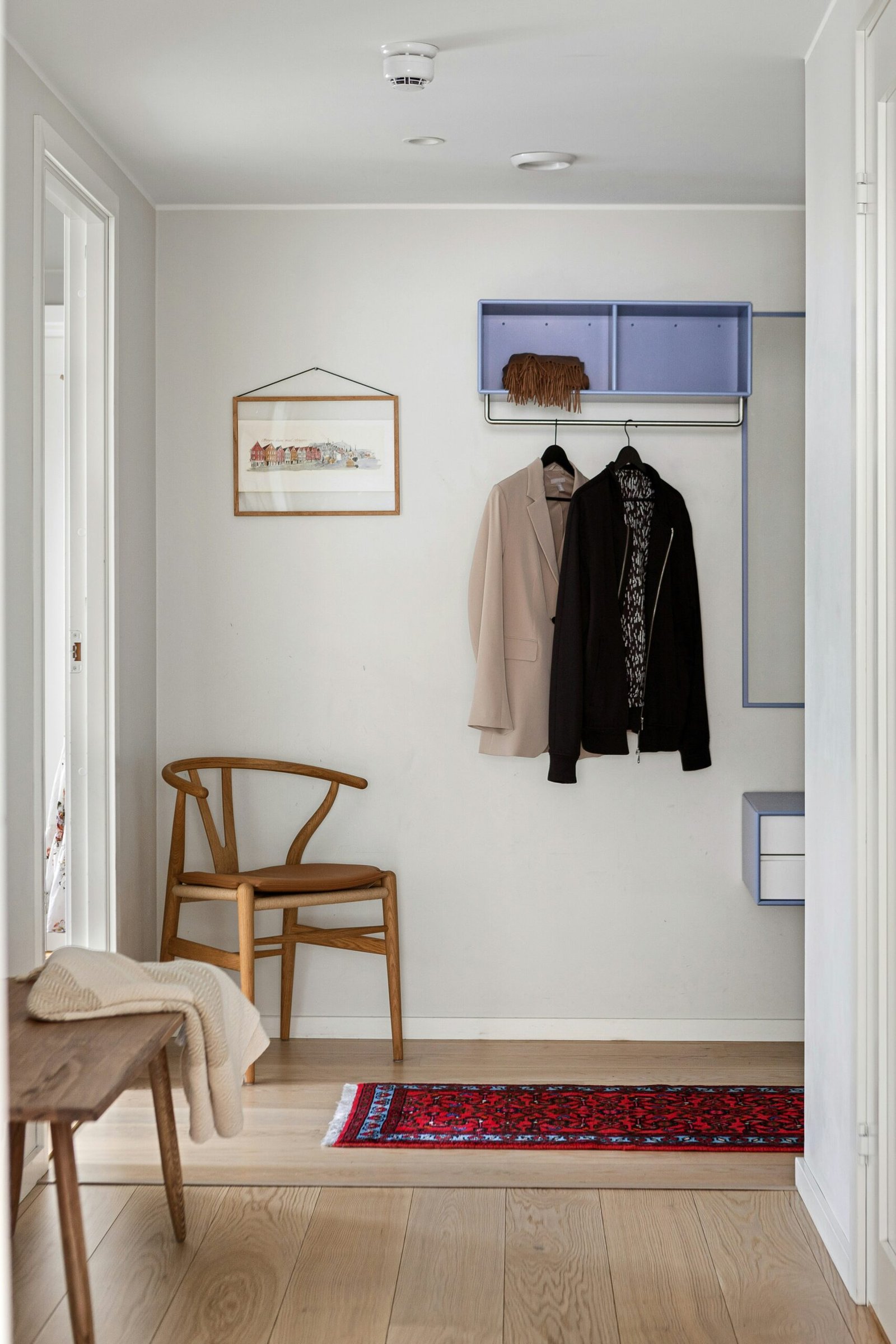
Add Floating Modular shelves to Selected Sections
Floating shelves allow you to show off items or hold equipment while keeping a consistent look:
- Modular shelving: https://link.amazon/B0cNm8RBe
- Cube shelves: https://link.amazon/B0923sI1m
- Funky cube shelving: https://link.amazon/B0652Texb
Use Removable Shelf
Extra internal shelves can divide tall cubes and prevent wasted vertical space around smaller objects.
- Over door shelf system: https://link.amazon/B0iw4Ibj0
- Shelf dividers: https://link.amazon/B07dQutih
Build Around Changing Needs
Start with a smaller arrangement and add compatible modules later rather than buying a much larger unit immediately.
- Expandable shelving modules: https://link.amazon/B0iz4mbFO
- Modular multi-use shelving unit: https://link.amazon/B0gxlVL2a
Use Matching Storage Bins
Uniform bins make a modular unit look intentional even when the contents are varied.
- Cube storage bins: https://link.amazon/A056aX20D
- Modular storage bins: https://link.amazon/B0hUyPMHs
Keep It Simple
Before buying modular storage, check dimensions and whether additional components will remain available. A simple system that can
expand is more useful than a complicated arrangement you cannot easily change.